Weaving Through Traffic Puts South Carolina Drivers at Risk
If you’ve ever faced a crowd that moves more slowly than you want to move, you understand the frustration of having others in your path. You may also understand the temptation to weave through openings and take them to get to your destination faster.
While many people do this on foot, the stakes get higher when driving. Weaving through traffic puts everyone on the road at risk. This behavior can result in serious injuries.
What Counts as “Weaving Through Traffic”?
South Carolina’s driving laws allow drivers to move into the left lane on a multi-lane road to pass slower vehicles traveling on the right. Such lane changes are permitted provided that drivers pay attention to traffic and maintain control of their vehicles to prevent collisions.
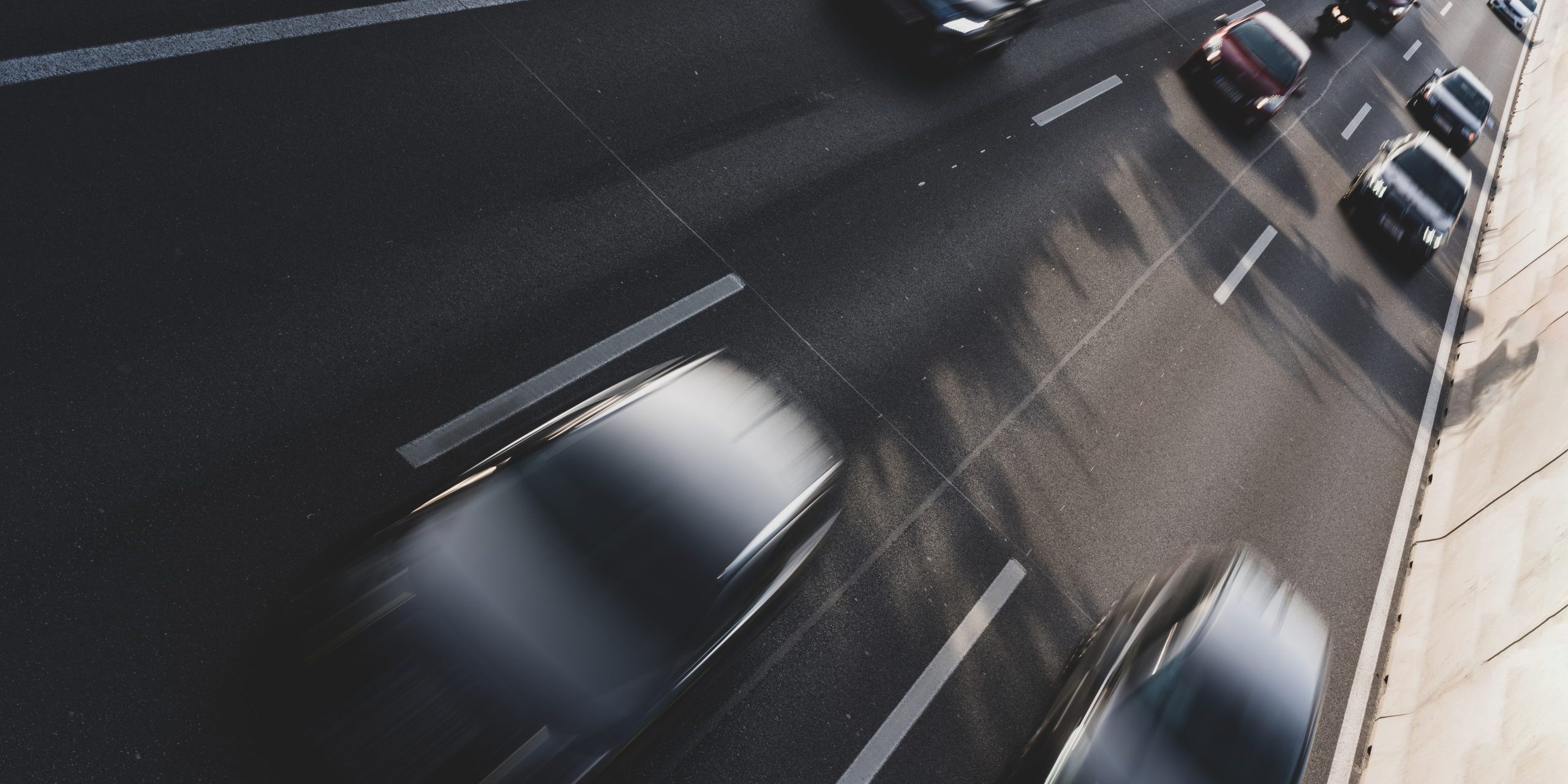
“Weaving,” however, takes this “moving over to pass” behavior to an extreme. Those who weave through traffic frequently change lanes. They often move vehicles into relatively small spaces between other cars, sharply reducing the space drivers have to avoid a collision.
Often, weaving drivers are speeding, driving too fast for the conditions, or exceeding the posted speed limit. Some even use center lanes, road shoulders, or other areas not designed for merging to pass other vehicles.
Why Do People Weave In and Out of Traffic?
Weaving through traffic is a driver-controlled behavior. No vehicle driver is required to do it, and no currently existing computerized driver assistance system mandates it. Drivers who weave through traffic make a choice – a reckless choice that endangers others.
Many drivers who choose to weave through traffic do so because they think it saves them time. In one test, drivers found that weaving through traffic got them to their destination about 2 to 25 percent faster. However, the increase in risk was so high that the saved time was deemed not worth it. Another test found that the “going faster” effect was essentially an illusion based on the relative speeds of vehicles drivers could see beside them.
Other risky behaviors can also increase the chances of weaving through traffic. Drivers who are expressing “road rage,” under the influence of alcohol or drugs, or distracted by phones or other passengers, may weave as well. Weaving can be especially dangerous in combination with these and other risk factors.
What Makes Weaving Through Traffic Dangerous
Weaving through traffic poses several risks. When combined, these risks may significantly increase the likelihood of a serious accident.
Factors that make weaving through traffic dangerous include:
- Inexperienced or aggressive drivers. These drivers are more likely to see weaving through traffic as a solution to their lateness or impatience. Yet their lack of experience or impulsive mood puts them at higher risk of failing to move safely between lanes. They may also be more likely to use the shoulder or other unauthorized areas to pass.
- Failing to signal or check blind spots. Weaving through traffic often involves making several quick decisions. Drivers who weave are often so focused on the road ahead and on their split-second decisions that they don’t check their blind spots or signal their lane changes. These failures can cause them to collide with motorcycles or other vehicles in their blind spots or to surprise vehicles that are overtaking them in the other lane.
- Rear-end collisions and pile-ups. Those who weave through traffic often exploit gaps in traffic that are barely larger than the vehicle itself. When they squeeze their vehicle into these gaps, cars must hit their brakes quickly to avoid a collision and to expand the safe following distance between themselves and the weaving car. When this happens, a rear-end collision is more likely to occur. In heavy traffic, inclement weather, or darkness, these collisions could cause a chain reaction, resulting in a pile-up.
If you’re injured by a driver who was weaving through traffic, you may be able to seek compensation. Talk to an experienced South Carolina car accident lawyer to learn more.
What To Do If You’re Hit By a Driver Who is Weaving Through Traffic
First, prioritize safety. Get out of the flow of traffic if you can, but avoid moving anyone who appears to be seriously injured. Call 911 for assistance.
Document the scene. Take photos or videos, or make voice or written notes. Talk to witnesses and get their contact information. Contact local law enforcement so they can document the scene as well.
Seek medical attention as soon as possible after a car accident. For emergencies, call 911 or go to your nearest emergency room. If you don’t receive emergency care, see a doctor as soon as possible. A doctor will provide treatment and document your injuries.
Finally, speak to an experienced lawyer. An attorney with experience handling car accident claims can help you protect your legal rights and seek compensation. Contact the Steinberg Law Firm today to learn more.
You May Also Like