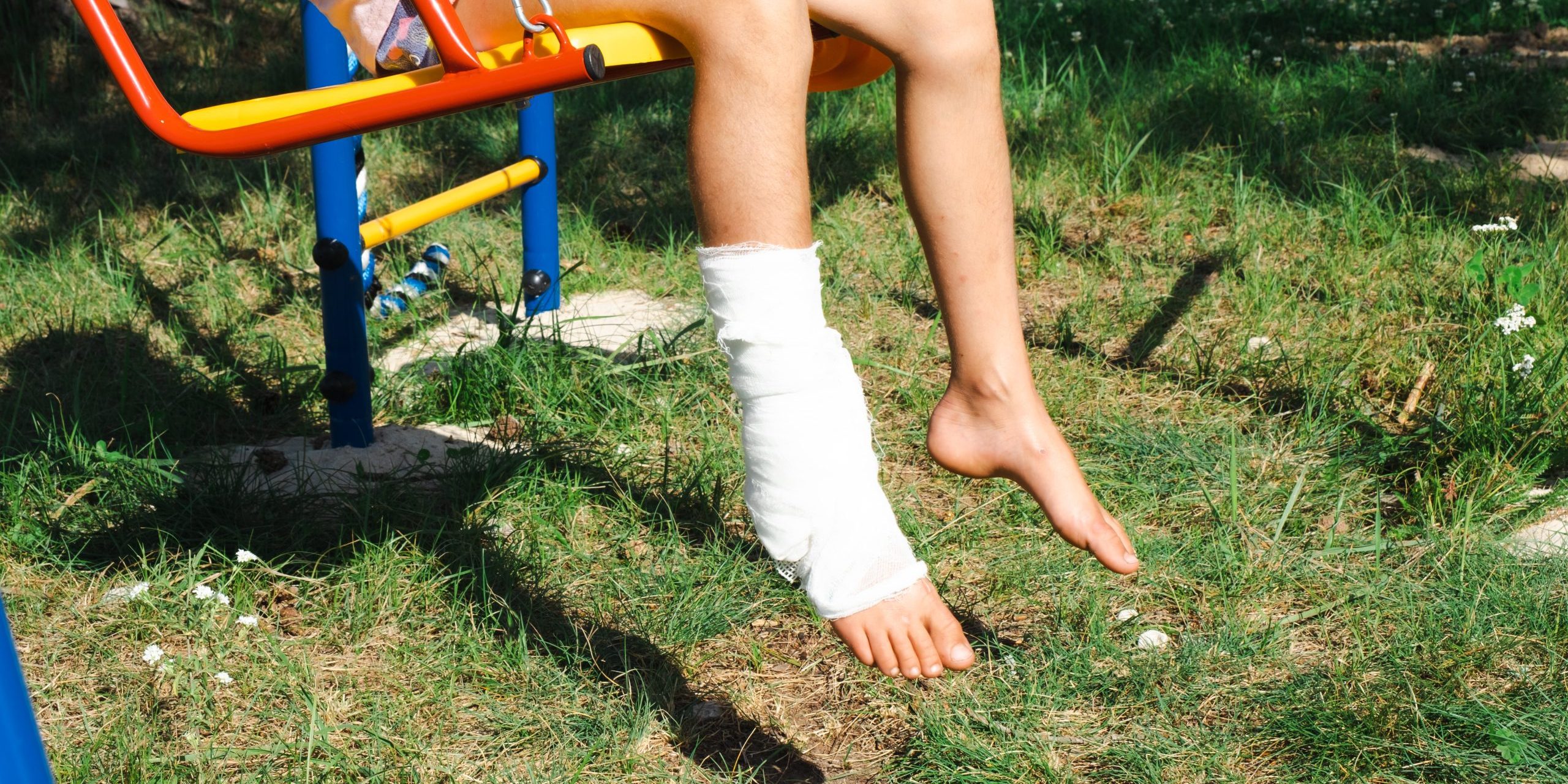
What Happens if a Child is Hurt on a School Playground?
Approximately 200,000 US children suffer injuries on school playgrounds each year, according to a 2023 study of playground injuries. One-third of all elementary school injuries happen on playgrounds.
Playground injuries can cause big worries for parents. What seemed like a safe place for kids to play can become a source of fear and pain for your child instead. Medical bills can pile up. Parents may wonder if the school could have prevented the injury and how to hold negligent parties accountable.
How Common Are Playground Injuries?
Playground injuries account for one in every three elementary school injuries. Other common sites for at-school injuries include classrooms (26.1 percent), physical education gyms and fields (10.7 percent), and cafeterias (6.7 percent).
Playgrounds, including both school and public playgrounds, are reportedly a top location of unintentional recreational injuries to children ages 1 through 10 in the United States. However, the types of injuries children suffer often vary with age. For example:
- Head and neck injuries are the most common playground injury types across all age groups. Younger children are more likely to suffer head and neck injuries than older children.
- Hand, arm, and shoulder injuries become more common as children get older. About 20 percent of these injuries require treatment in a doctor’s office or hospital emergency room.
- Foot and leg injuries occur in about 17.1 percent of playground accidents. These injuries are less likely than arm injuries to need outside medical treatment. Severe foot and leg injuries may require emergency room or other medical care.
- Trunk injuries include injuries to the chest, pelvis, and hips. These injuries account for about 5.2 percent of all playground injuries.
Public playgrounds, school playgrounds, and public education (P.E.) classes involve physical activity. Therefore, one might assume the pattern of injuries would be similar in all situations. But the statistics tell a different story. Head and neck injuries are less common in PE classes (48 percent) than on playgrounds (54 percent).
These numbers suggest that school playgrounds pose dangers that are often mitigated in a physical education class. The type and condition of playground equipment, the methods of supervision, and the ages of children playing together may all play a role.
Why Do Playground Injuries Happen?
Several factors can increase the risk of a playground injury. Unsafe or poorly maintained equipment, inadequate adult supervision, overcrowding, rough play, and the design and placement of playground equipment can all contribute.
Unsafe or poorly maintained equipment. Outdoor playground equipment may wear down over time due to weather or general use. As a result, it requires regular maintenance to counteract the effects of wind, rain, and temperature changes. Broken swings, loose bolts, and hard surfaces can all cause injuries or make accidents worse.
Lack of supervision. Recess can be a busy time on a school playground. When schools don’t have enough adults on the playground to supervise children, accidents and injuries are more likely to happen.
Overcrowding and rough play. One key task of adults supervising a playground is to ensure that kids make smart choices while playing. Taking turns to avoid overcrowding on playground equipment is important. Similarly, children who engage in rough play increase their risk of injury.
Bullying and Cyberbullying. According to the National Bullying Prevention Center’s 2022 Statistics, one out of five students is bullied. Name calling, pulling on clothes, tugging on hair, pushing, shoving, spitting, or making threatening comments online or in person a a few examples of how a child can be affected. An incident is considered bullying when there’s an imbalance of power, repetition, and embarrassment.
Design and placement of playground equipment. In the past 30 years, school playgrounds have paid more attention to the design of playground equipment. Durable materials, softer surfaces, and designs that limit heights have all been incorporated into playgrounds. Design and placement issues remain a problem. Design defects and poor decisions, such as placing a play structure on a hard surface, can lead to preventable injuries.
What School Administrators Should Do Immediately After a Playground Injury
School administrators and staff, including teachers, school nurses, and playground monitors, should always prioritize a child’s safety. If a child seems seriously injured, don’t move them. Instead, move other children to a safe distance and call 911.
Many playground injuries can benefit from immediate first aid:
- Cuts and scrapes: Apply pressure with a sterile bandage to control bleeding. If the bleeding doesn’t stop within a few minutes, get medical attention.
- Black eye: Use a cold compress for ten to 20 minutes at a time to reduce swelling. Don’t use an ice pack; the cold is too much for the delicate skin around the eye. See a doctor if both eyes are bruised, a bloody nose accompanies the black eye, or your child has blurry vision or severe pain.
- Broken bones and sprains: Apply a cold pack to the injured area to reduce swelling and seek medical attention. Creating a makeshift splint or sling can help reduce movement, which protects the injury and may make the pain a little easier to bear.
- Head injuries: If your child hits their head from a slip and fall or hits it against the ground or a piece of playground equipment, visit the ER and schedule a doctor visit. Concussions can occur even if the child doesn’t lose consciousness.
Report the incident to the school as soon as possible. If the accident happens during the school day, the school may report it to you instead. Sometimes, schools may deny or minimize the extent of the child’s injuries. If a parent is dissatisfied with how a school administrator or staff member has handled their child’s injuries, they should contact an attorney.
Visit a local medical center or hospital to have the injured child evaluated. After scheduling an appointment and visiting a doctor, keep careful records of appointments, after-visit notes, and medications. Keep copies of all communications with the school. Request documentation in writing, including a copy of the school’s incident report. If possible, take photos and speak to witnesses.
Are South Carolina Schools Liable for Playground Injuries?
One responsibility schools have is to supervise students and ensure their safety. If a school fails to meet this duty of care and a child suffers a playground injury, parents may hold the school liable for its negligence. In South Carolina, schools that supervise children act “in loco parentis.”
“In loco parentis” is a Latin phrase meaning “in place of the parent.” This doctrine gives schools the ability to supervise a child as a parent would and also the responsibility to protect children from physical, mental, and emotional harm.
Examples of situations in which a school might be liable for a playground injury include:
- The school didn’t provide enough yard supervision on the playground during recess or lunch.
- The school allowed its playground equipment to deteriorate due to a lack of maintenance.
If a school installed playground equipment incorrectly or in unsafe locations and allowed children to use it, this may constitute negligence. Other forms of negligence may also lead to liability. An experienced attorney can help you understand how South Carolina’s rules apply to your child’s situation.
Who Else Can Be Held Responsible for a Playground Injury?
When a child gets hurt on a school playground, it’s natural to suspect the school of wrongdoing. Yet the school may have done everything it could to prevent the harm, only to see it happen anyway.
Several parties are typically involved in the construction, maintenance, and use of school playgrounds. For example:
- Playground equipment manufacturers have a duty to sell equipment free of hidden defects and unsafe designs. If the manufacturer failed in this duty and injury occurred, the manufacturer may be liable.
- Maintenance and installation companies have a duty similar to manufacturers: They must install and maintain playground equipment to keep it free of hidden dangers. Failures by these companies and their staff can result in negligence that leads to harm.
- Private contractors, such as playground maintenance teams, also have a duty to use reasonable care to prevent injuries. When they fail, they may be accountable for any harm that results.
- Other supervising organizations, such as after-school programs or daycare programs that also use the playground. School playgrounds are popular places for children to play both during and after school. A non-school program supervising a child also has a responsibility to use reasonable care to prevent harm.
Every injury is unique, and so are the potential parties involved. Speak to an attorney who can help you hold negligent parties accountable.
How Families Can Seek Compensation After a Playground Injury in South Carolina
When your child is hurt on the playground, you want one thing: For your child to get well. As you focus on your child’s needs, you may notice that the medical costs and other expenses start to pile up.
An injury claim can help your family recover compensation for these costs. Common costs covered by injury claims include:
- Your child’s medical or hospital bills, costs for physical therapy, or other recovery needs.
- Compensation for your child’s mental and emotional anguish.
If your child’s injury leads to long-term care needs, compensation can help cover those as well. Seeking compensation from a public school is a bit different from a case against a private party. Cases against public schools must follow certain guidelines. You can take legal action against a school, but you may face shorter time limits and additional steps to file your claim. An experienced school injury attorney can help.
Tips for Preventing Playground Injuries
You can’t supervise your child every second of the day. That’s why you trust the school to do so. To help keep your child and others safe on school playgrounds, take the following steps:
- Ask about supervision. When choosing a school for your child, ask how they supervise recess. How many adults are present? What do the adults do? If there’s an emergency, are the adults trained in procedures to follow? What are those procedures?
- Check out the playground. Does the equipment look like it’s in good condition? How soft are the surfaces underneath play equipment?
- Dress your child for the weather and the conditions. Sending your child to school in durable footwear, such as sneakers, along with the right clothes for the weather, can help protect them indoors and out.
- Teach your kids to navigate playgrounds safely. When you take your children to a playground, use the opportunity to teach about safety. Focus on using equipment the “right” way. For example, swings are for swinging, not standing. Slide down feet first when going down a slide, not head first. Hang and swing from monkey bars, but don’t sit on top.
Keeping our children safe is a community responsibility. After a playground injury, families have limited time to file a lawsuit or other claim. Speak to a South Carolina child injury lawyer as soon as possible to protect your chance to file.
Contact Our South Carolina School Playground Injury Attorneys at Steinberg Law Firm Today
If your child was hurt on a public playground or school playground, an experienced attorney can help you figure out what happened, secure compensation for medical costs, and seek accountability. Reach out to the Steinberg Law Firm for a no-cost, no-obligation legal consultation today. Contact us today by calling (843) 720-2800 or filling out an online form.
FAQs
Who pays the medical bills if a child is hurt on a school playground?
At first, a doctor or hospital may expect your health insurance to pay your medical bills or for your household to pay out of pocket. However, a lawsuit against a school or another negligent party can provide compensation to cover medical bills after an injury.
Do I need a lawyer if my child is injured at recess?
For minor injuries, you may not need legal assistance. If an injury requires a doctor’s or hospital’s intervention, it’s wise to speak to a South Carolina personal injury lawyer. Many attorneys offer no-cost, no-obligation consultations to answer your questions and help you stay informed about your child’s rights.
How do I prove a school was negligent in supervising children?
You’ll need to show the school had a duty to provide adequate supervision but failed to do so, and you’ll need to show the failure caused your child’s injury. Evidence like staff logs, video footage, and witness testimony can help establish what happened. An attorney can help you gather this evidence and build a case.
Can I sue the school district if my child is hurt?
Yes, but remember: a case against a South Carolina school district may be subject to different time limits and other requirements than an ordinary personal injury case. Don’t try to fight the school district alone. Work with an attorney who can manage your case and fight for compensation, so you can focus on giving your child the love and support they need after a frightening injury.
What evidence should I gather after a playground accident?
Keep copies of all paperwork and other communications with the school. If you have voicemails or other video or audio recordings, make backup copies and preserve them. Also, ask for copies of your child’s medical records related to their injuries. Taking photos of the injury site and the area of the playground where the injury occurred can also serve as a useful reference.
You May Also Like