Halloween Injuries in South Carolina: The Laws Every Family Should Know
Halloween in the Lowcountry means trick-or-treating, parties, and downtown bar crawls. The season also sees an increase in pedestrian, drunk driving, and premises injuries.
A 2018 JAMA Pediatrics study found that children are at a much higher risk of being hit by a car on Halloween, compared to other nights of the year. Drivers who got behind the wheel after drinking at local bar crawls increase the risk of collisions. Trips on broken stairs or over power cords, dog bites, and other premises-based injuries also increase.
If someone else’s carelessness hurts your family, you have options. Knowing which South Carolina laws apply can help you understand your rights.
Why Halloween Is One of the Riskiest Nights of the Year
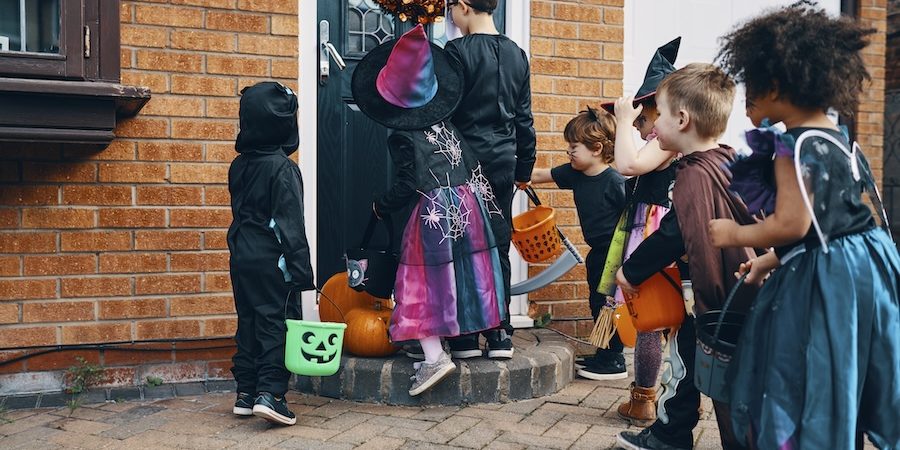
Halloween means spooky fun, but it also means an increased risk of injuries. Trick-or-treaters in dark costumes can be hard for drivers to see, especially when pedestrians cross the street in the middle of a block at dusk. Drivers who are distracted or impaired may be unable to spot a pedestrian in time to avoid a collision. Meanwhile, masks and other costume parts can block pedestrians’ vision, making it harder for them to see oncoming traffic.
The 2018 JAMA Pediatrics study found that children face a 43 percent higher risk of pedestrian crashes on Halloween evening, compared with other nights of the year. Pedestrian collisions are a common risk on Halloween.
This year, Halloween falls on a Saturday, followed immediately by the end of Daylight Saving Time, as clocks fall back at 2:00 a.m. November 1. The combination of a weekend Halloween and an extra hour means bigger house parties, longer bar crawls on King Street, and more late-night drivers heading home in the dark.
South Carolina Halloween Laws on the Books
Recognizing the risks that can accompany Halloween activities, South Carolina has passed laws to help manage danger without eliminating fun. Many cities and localities also have rules to help people plan for a safe Halloween.
For example, S.C. Code § 16-7-110 bans people over 16 from wearing identity-concealing masks in public, but S.C. Code § 16-7-130 exempts traditional holiday costumes from this rule. Adults may wear identity-concealing masks on Halloween as part of their costumes. However, it is wise to choose masks that preserve the wearer’s full range of vision. Another option is to choose skin-safe face paint as an alternative to a full mask.
Some localities set age and time limits on trick-or-treating. For instance, Bishopville’s ordinance limits trick-or-treating to kids 12 and under. Children must be accompanied by an adult, and trick-or-treating festivities must end by 8 p.m. Use your area’s official website and other online resources to review rules for your area.
Certain supervised offenders must also follow specific rules on Halloween. SC Probation, Parole and Pardon Services requires supervised offenders whose crimes involved children to stay home between 5:30–9 p.m. on Halloween. These individuals may not hand out candy.
Pedestrian Accidents and Trick-or-Treaters
As noted above, the risk of pedestrian accidents increases on Halloween. South Carolina drivers have a duty of care year-round to stay alert and avoid preventable accidents. This responsibility includes managing speed and paying attention, so that drivers can spot pedestrians in time to avoid a collision.
Pedestrians can take steps to make themselves more visible and alert drivers of their presence. Reflective tape on costumes can make trick-or-treaters stand out in the headlights of oncoming cars. Flashlights help pedestrians see potential hazards and help drivers see pedestrians. Using crosswalks, sidewalks, and being accompanied by an adult can keep young trick-or-treaters safe.
What if your child was partly at fault for their injuries? If a child darted in front of a car or crossed the road mid-block, you may still have options. South Carolina’s modified comparative negligence rule allows an injured person to recover compensation if they are 50 percent or less at fault for an injury. Talk to an attorney to understand how this rule might apply in your case.
Trunk-or-Treats and Fall Festivals
Understanding the risks of conventional trick-or-treating, many South Carolina parents look for kid-friendly Halloween event alternatives. Common events include “trunk or treat” and fall festival gatherings, often held at churches or schools.
These events can be fun for the whole family, but they aren’t risk-free. Cars moving around crowded parking lots, open trunks and tailgates, and dim lighting can all contribute to accidents and injuries. When a moving vehicle causes harm, the driver may be liable. Event organizers or property owners may also share responsibility if the conditions of the premises caused or contributed to the accident.
Golf Carts and E-Scooters on Halloween
South Carolina’s golf cart law continues to apply on Halloween. Golf carts must be registered and insured. Drivers must be licensed and be at least 16 years old. Golf carts are restricted to roads with a maximum speed limit of 35 mph or less and to trips within 4 miles of home. As always, golf carts may only travel during the daytime unless local rules allow after-dark rides.
Other electric vehicles must also follow South Carolina rules. For example, e-scooter riders must be licensed if their scooter can travel faster than 25 miles per hour. E-scooter riders under age 21 must wear helmets.
Dressing up your golf cart for Halloween can be nearly as fun as dressing yourself. Yet golf carts and e-scooters can pose risks on Halloween, too. Overcrowded carts with no seatbelts increase the risk of injury. Visitors who rent or borrow golf carts, or who ride in carts with family or friends, can face injuries as well. Out-of-town visitors can bring a claim in South Carolina if they are injured here.
To learn more about golf cart and e-scooter safety, review our guide: Protect Your Family This Halloween: Golf Cart and E-Scooter Safety in South Carolina.
Halloween Parties and Premises Liability
Premises liability law deals with the duties property owners owe to those present on their property. South Carolina’s rules recognize three classes of visitors. Trespassers are on the property without permission, and property owners owe them the lowest duty of care. Licensees are permitted on the property; they include social guests, and property owners owe them a higher level of responsibility than they owe trespassers.
Invitees receive the highest level of care. These are people invited onto a property specifically for business or other purposes. Paying guests at events like Southern Screams at Holy City Brewing in North Charleston or the Boone Hall pumpkin patch in Mt. Pleasant typically fall in this category, which means that haunted houses and similar events owe them the highest duty of care.
Specifically, South Carolina businesses must promptly address hazards on the premises. If an issue cannot be immediately fixed, the business must warn invitees about the problem.
At Halloween venues, common hazards may include poor lighting, cluttered walkways, candles, cords, broken stairs, and spilled drinks or treats underfoot. Hayrides and corn mazes may feature uneven ground or overloaded wagons. Events at venues that serve alcohol may face issues with unsafe premises and with dram shop liability if a drunk patron injures someone.
Halloween party hosts also have certain responsibilities to keep guests safe. Learn more by reviewing our guide: Hosting a Halloween Party? Here’s What to Keep in Mind.
Bar Crawls, Drunk Driving and South Carolina Dram Shop Law
You may choose to stay safe this Halloween by avoiding alcohol. But not everyone in South Carolina will do the same. Can you sue if you’re injured by an intoxicated person?
Often, the answer is yes. You may be able to seek compensation not only from the intoxicated person but also from a venue that over-served alcohol.
S.C. Code § 61-4-580 prohibits venues from serving visibly intoxicated patrons. If a venue serves a visibly intoxicated patron, and that patron goes on to harm someone else, the venue may be held liable under the state’s “dram shop” laws. Similarly, South Carolina law generally holds party hosts liable if they serve alcohol to minors.
To learn more about bar crawl safety and dram shop law, review our guide: Halloween Bar Crawl Safety: South Carolina Dram Shop Laws
Dog Bites on Halloween
Halloween can be a tough time for our four-legged friends. Dogs may be stressed by the constant ringing of the doorbell or the steady flow of strangers appearing on the doorstep. Wearing a costume is often an unusual experience for dogs, which can further raise their anxiety. The strange smells, unfamiliar people, and unexpected bustle after dark can also convince a dog that something is wrong – and that an aggressive response may be needed.
S.C. Code § 47-3-110 makes dog owners strictly liable for dog bites in most cases. The owner may be held liable if their dog causes injuries, even if the dog has never acted aggressively before.
To reduce the risk of dog bites, keep dogs away from the front door on Halloween. Give them a quiet room away from the bustle of trick-or-treaters and parties, with familiar objects like their bedding and toys. Place a sign on the door to warn visitors not to let the dog out.
Costume and Product Safety
Halloween costume safety has been the focus of many federal safety standard revisions over the years. Yet costumes, props, masks, and make-up appear on the Consumer Product Safety Commission (CPSC)’s recall list nearly every year.
Always check for CPSC.gov recalls before buying a costume. About half of all Halloween shoppers begin their costume hunt in September or earlier, so it’s important to stay on top of recalls as they are issued. A recalled costume may support a product liability claim if it injures someone.
When shopping for a costume, look for flame-resistant fabrics. Make sure costumes fit correctly. Avoid non-prescription colored contact lenses, as these can cause visibility or eye problems.
Consumer groups predict a record year for Halloween spending in 2026. They estimate that Americans will spend $13.5 billion on the holiday this year. Halloween decor is expected to bring in $4.3 billion, nearly matching predictions about costume spending ($4.4 billion).
Consider safety when choosing Halloween decorations. Real candles in jack-o’-lanterns can be a fire risk, as can fog machines and certain types of lights. Extension cords, yard inflatables, and other props can become trip hazards. The CPSC’s recalls page also lists recalled Halloween decorations and related items, like extension cords, when recalls are issued.
What to Do if You or Your Child Is Injured on Halloween
A Halloween injury is every parent’s nightmare. The day is meant to be full of spooky fun – not real tragedies.
If an injury occurs, you can take steps to protect the injured person and their legal rights. Start by getting medical care. Save copies of reports from doctor’s visits.
Take photos or video of the scene, showing what happened and what objects or people were involved. Collect contact information from witnesses. If a car crash or other accident occurs, contact police to document the scene and keep a copy of the police report. If you’re injured by a defective costume or other product, save the item.
South Carolina generally allows injured people three years to file a claim, starting the date of the injury. Claims against government entities like public schools have shorter deadlines under the SC Tort Claims Act.
FAQ
Can I sue if my child is hit while trick-or-treating?
Yes. Even if your child is partly at fault for the accident, South Carolina law allows an injured person to recover some damages, as long as they bear less than 51 percent of the fault for their injuries.
Is a homeowner liable if a guest gets hurt at a Halloween party?
Possibly. Homeowners have a duty to warn guests about non-obvious or hidden dangers that the homeowner knows about but the guest does not.
Can a bar be held responsible for a drunk driver after a bar crawl?
In some cases, yes. South Carolina’s dram shop law prohibits bars from serving visibly intoxicated patrons. If a bar violates this rule and the patron goes on to cause a drunk driving crash, the bar may share liability for the harm caused.
Can I sue if I’m hurt at a haunted house or pumpkin patch?
Possibly. South Carolina businesses have a duty to fix hazardous conditions on the property or warn patrons if an immediate fix is not possible. If a haunted house or pumpkin patch doesn’t provide a fix or a warning and you’re injured as a result, you may have a premises liability claim.
Who is liable if a child is hurt at a trunk-or-treat?
It depends on the situation. For example, if a child is hurt when a driver backs up too fast, the driver may be liable. If the driver didn’t see the child because the lighting was dim or the child tripped on broken pavement and fell behind the car, the venue may be liable. An attorney can help you determine who is responsible after a trunk-or-treat injury.
I was hurt while visiting South Carolina for Halloween. Can I still file a claim here?
Yes. Even if you’re from out of state, you can file a claim in South Carolina if someone else’s negligence caused you harm while you’re visiting the state. Talk to a South Carolina personal injury lawyer to learn more.
Injured this Halloween in Charleston, North Charleston, Summerville or Myrtle Beach? Contact Steinberg Law Firm at 843-720-2800 for a free consultation.
You May Also Like