Robot Deliveries in South Carolina: Understanding Personal Injury Risks
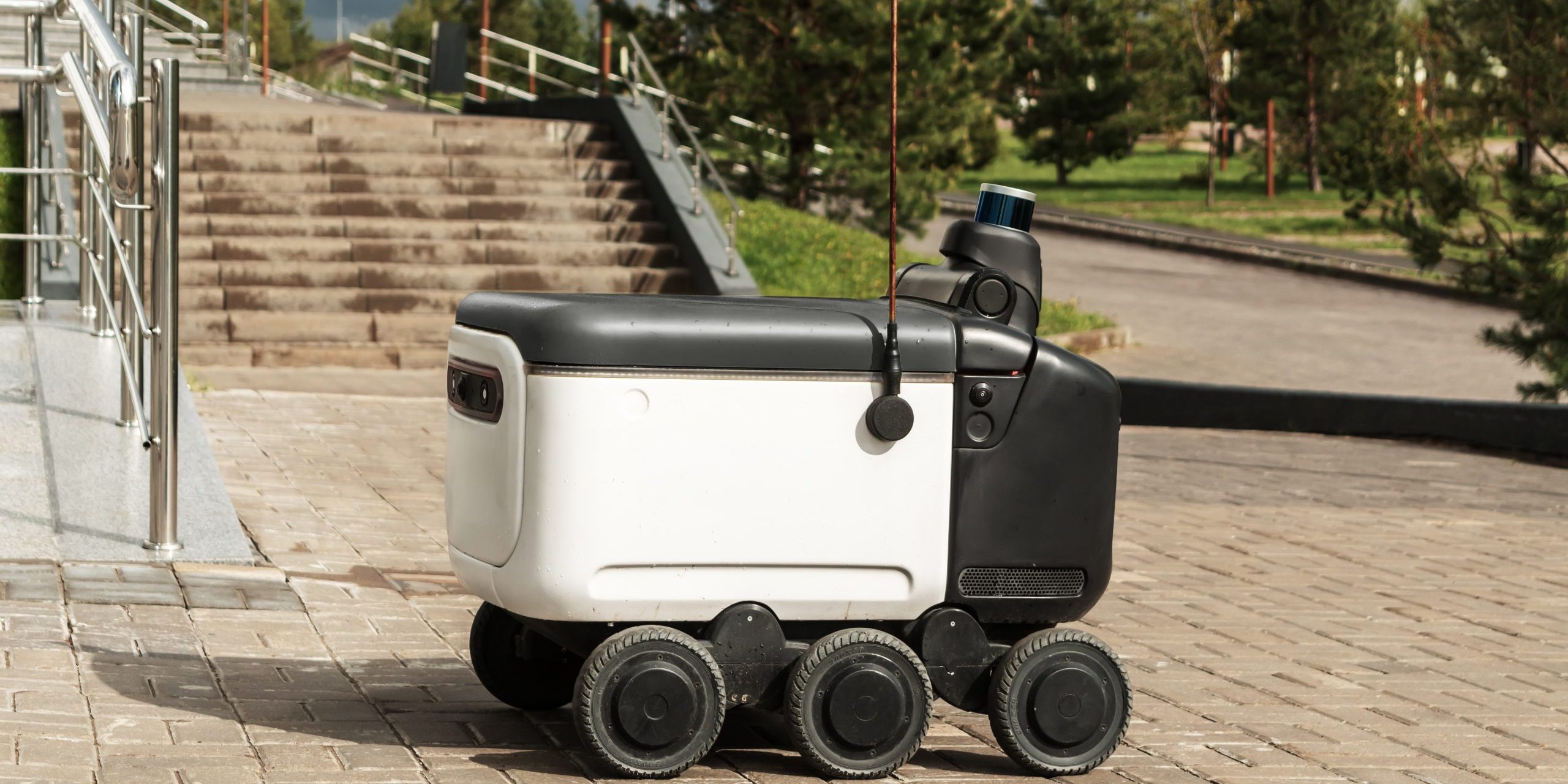
If you’ve walked the campus of the University of South Carolina lately, you might have spotted something unusual rolling across the brick pathways: small delivery robots, zipping food and packages right to students’ doors. It’s not science fiction, but robot deliveries are already a reality in our own backyard, and it’s just the beginning.
Across South Carolina, from college quads to neighborhood streets, the sight of robots carrying groceries, takeout, and Amazon packages may soon become just as common as the mail truck or pizza delivery car.
Of course, while these robots promise convenience and innovation, they also introduce new risks for pedestrians, cyclists, and even drivers. What happens if a robot darts into traffic, collides with a pedestrian, or causes a pile-up on a busy intersection? Who’s responsible for the injuries and damages if something goes wrong? As technology changes the way we live and move, South Carolinians need to understand their rights and know what to do if a robot delivery disrupts their day.
The Rise of Delivery Drones and Robot Couriers in South Carolina
In early 2024, the University of South Carolina opened up its campus to self-driving food delivery robots. In doing so, USC joined several US cities, including Washington, DC, that allow autonomous robots or drones to make deliveries.
When the robots first appeared on USC’s Columbia campus, there were few laws to govern their behavior – or to specify who should be held accountable if a delivery robot injures a person. In November 2025, the South Carolina legislature was considering legislation.
Yet, many questions about injury liability remain unanswered. As people continue to rely on autonomous technology for convenience, the risk of injury associated with these technologies is likely to increase as well.
Potential Injury Risks from Delivery Robots and Drones
Autonomous delivery robots and drones can cause injuries in several ways. A robot can malfunction, dropping a package or crashing. Propellers on drones can cause injuries, and a drone can also crash or drop a load, injuring someone beneath.
Robots that use sidewalks may pose a tripping hazard for pedestrians. They may also malfunction, colliding with pedestrians. They may obstruct traffic or even cause a crash.
These and other injuries have already been reported throughout the US. A man with cerebral palsy recorded an incident in West Hollywood in which a delivery robot repeatedly swerved into his path, eventually causing a collision with the man’s mobility scooter.
In Arizona, an Arizona State University employee was knocked down by a delivery robot, experiencing injuries. A New Jersey actuary suffered a broken collarbone and possible head trauma when an Uber Eats delivery robot hit him while the man was riding his bicycle.
Who Could Be Liable After a Robot or Drone Accident
When a human delivery person collides with a pedestrian, drops a package, or otherwise causes injuries, the delivery person and the company they work for can often be held liable. Robots, however, are not people. A robot cannot currently be sued for compensation if it causes injuries.
However, those responsible for the robot’s design, manufacture, or operations may be liable if their negligence resulted in injuries.
- Manufacturers may face liability if defects in the robot’s manufacture or design led to the accident. For instance, malfunctioning software, broken or inadequate sensors, and other defects may lead to manufacturer liability.
- Operating companies may be held liable for failing to adequately program or supervise the robots or drones as they work. These companies may also share responsibility if they fail to follow manufacturer instructions, including guidelines for proper maintenance, repair, and testing of delivery drones or robots.
- Third parties that contract with manufacturers or operating companies may also share responsibility for injuries. Other third parties may also be partly or wholly responsible.
Determining who is at fault can be a complex process. An experienced injury attorney in South Carolina can help.
Insurance and Coverage Gaps in Robot Delivery Accidents
Insurance policies focus on familiar risks. With new technologies like autonomous delivery vehicles, however, homeowners’ and auto insurance policies may not clearly cover accidents. These policies may not have been written in anticipation of injuries from autonomous robots. Additionally, a delivery company may attempt to use a waiver or contract to limit its liability.
A personal injury claim involving a delivery robot or drone may require exploring multiple avenues of potential negligence. An attorney who understands product liability law, negligence, and the nuances of contract and insurance claims can help.
Steps To Take If You’re Injured by a Drone or Delivery Robot in South Carolina
If a drone or delivery robot injures you:
- Get medical help immediately.
- Document the device that injured you. Photos, especially of logos and serial numbers, can help you identify the device and its owner.
- Save witness statements, including any witness video.
- Consult with an attorney for assistance in identifying responsible parties and potential claims.
How Steinberg Law Firm Can Help After a Robot Delivery Accident
Technology may be changing how packages arrive, but legal protections for South Carolina residents remain vital. If you are injured by a delivery robot, you may have options for compensation under personal injury or product liability law. Speak to the experienced injury lawyers at the Steinberg Law Firm today to learn more.
You May Also Like