Understanding Haunted House Injuries Under South Carolina Premises Liability Laws
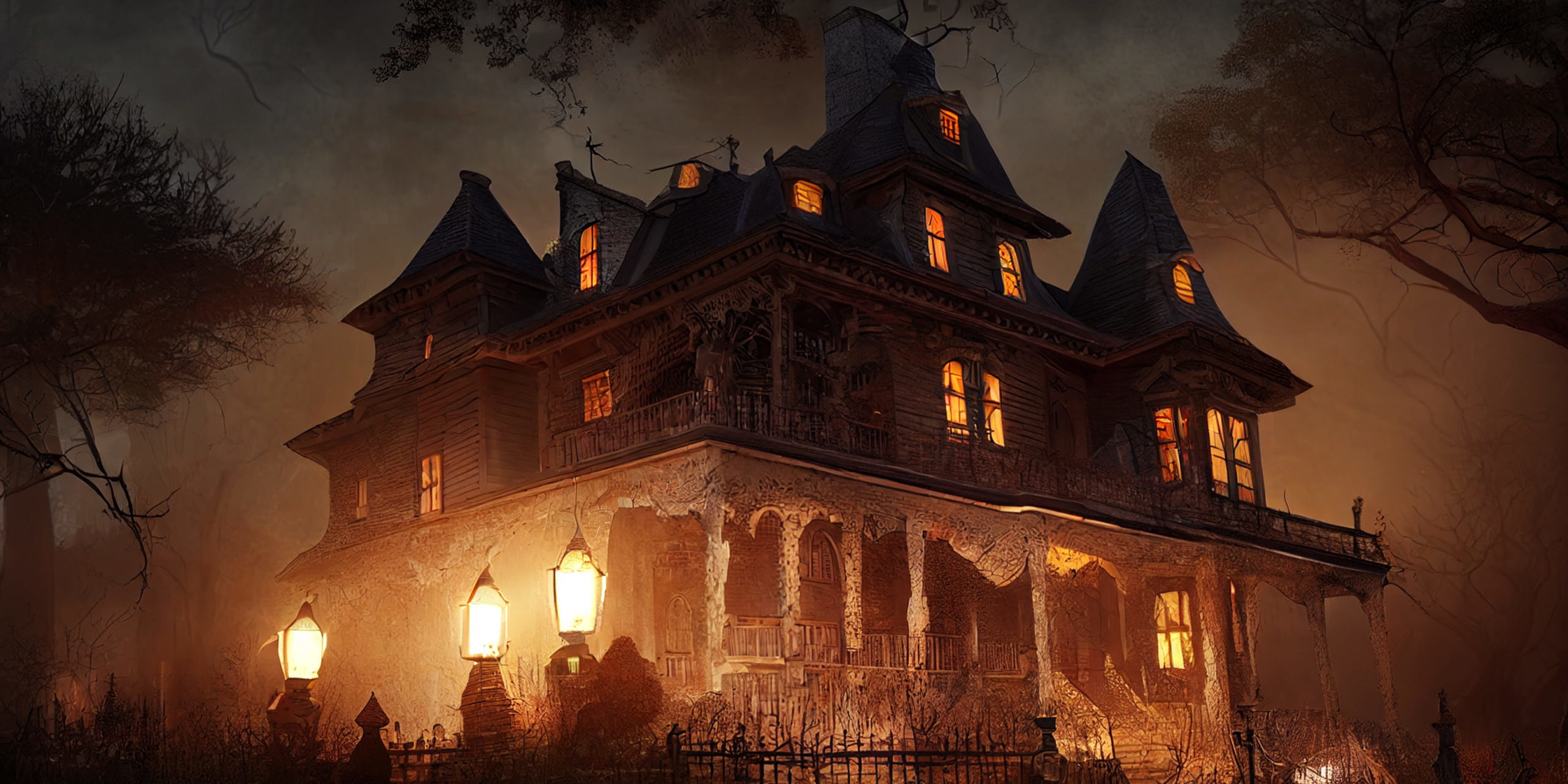
Haunted houses are a Halloween favorite for thrill-seekers, but injuries sustained in these attractions can have serious consequences and bring about unique challenges in premises liability cases. In South Carolina, individuals injured due to unsafe haunted house conditions may have legal options to seek compensation. By understanding your rights, you can make informed decisions in the unfortunate event of a haunted house accident.
The Unique Nature of Haunted House Injuries
Injuries sustained in haunted houses differ from other premises liability incidents due to the intentional fear-based environment. Many haunted houses include dim lighting, narrow passageways, and sudden jump scares, which increase the likelihood of accidents. Despite these intended fright elements, operators are legally responsible for maintaining reasonably safe conditions.
In South Carolina, haunted house operators must take precautions to prevent hazards beyond typical thrills, such as ensuring secure walkways, proper signage, and adequate staffing. When they fail in this duty, injured parties may have grounds for compensation. Understanding the unique risks involved in these attractions helps visitors recognize when a situation has become unreasonably dangerous.
Even in an environment meant to be terrifying, visitors should not expect real-life harm. If haunted house operators allow their attractions to reach a level of risk that surpasses the acceptable scare factor, patrons may have a legal path to compensation for their resulting injuries.
How Liability Waivers Affect Haunted House Injury Claims
When visiting a haunted house, patrons are often asked to sign liability waivers to protect operators from lawsuits if an injury occurs. While these waivers provide legal protection, they don’t automatically eliminate an injured person’s right to file a claim, especially in South Carolina. According to state premises liability laws, waivers do not absolve haunted house operators from responsibility in cases of gross negligence or intentional misconduct. This means that if a haunted house fails to implement basic safety precautions, patrons may still have grounds for a claim, even with a signed waiver.
For example, the recent case of a haunted house in Queens, New York, where patrons were injured in a feature called “Satan’s Slope,” a steep slide that allegedly lacked adequate padding, lighting, or warning signs. One visitor, who suffered severe ankle fractures after colliding with a concrete wall at the bottom of the slide, reported ongoing physical limitations and pain a year later. Despite likely signing a waiver before entry, this patron’s injuries may be linked to what South Carolina would consider gross negligence—the failure to take reasonable safety measures, like installing padding or providing warnings. Had this incident occurred in South Carolina, the waiver would not necessarily prevent the injured party from seeking compensation.
Under South Carolina law, the enforceability of waivers is reviewed on a case-by-case basis. There may be an exculpatory clause or assumption of risk clause that needs to be considered when determining if a waiver can be applied to your injury. If you or someone you know was injured while visiting a local Halloween attraction, contact The Steinberg Law Firm team today.
Have You Been Injured in a Haunted Attraction?
Haunted houses and other haunted attractions are just like other recreational activities in that the operators owe you a duty to protect you from harm. However, the reality is that the operators of these haunted attractions are often more focused on getting as many people through the attraction as possible–even if it’s at the expense of guests’ safety. At the Steinberg Law Firm, we have a strong premises liability practice that we’ve developed over decades. Our premises liability attorneys are immediately available to meet with you to go over your case and discuss how we can help. To learn more, and to schedule a free consultation today, call the Steinberg Law Firm at 843-720-2800. You can also connect with us through our secure online contact form.
You May Also Like