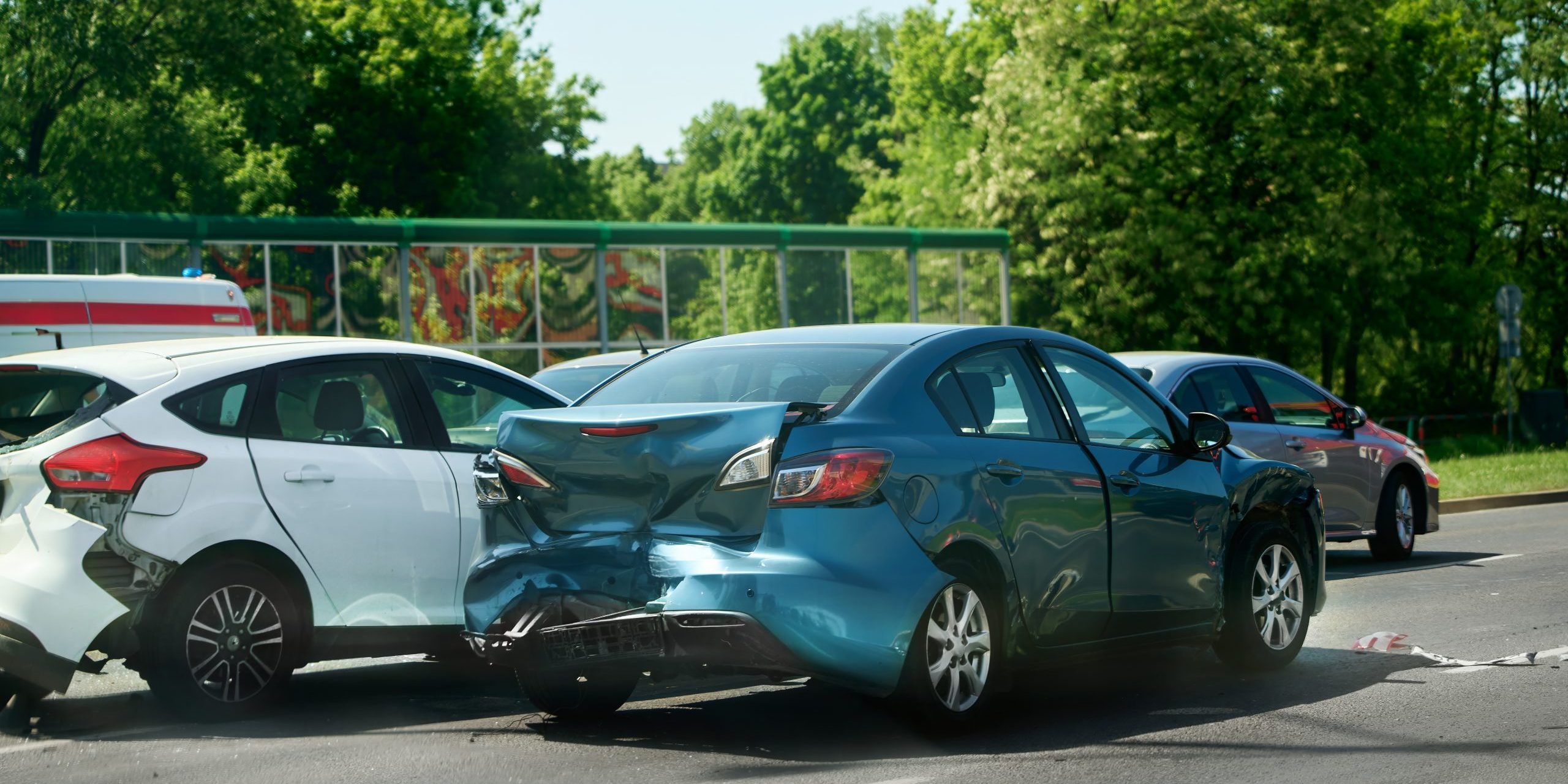
What Causes “Secondary Accidents” on South Carolina Highways, and Who Is Liable?
When vehicles collide, chaos ensues. In the seconds that follow, it feels as though anything could happen, including additional car accidents.
A single collision can start a chain reaction of other crashes, especially on busy South Carolina highways. These ensuing or “secondary” accidents can cause serious injuries. If you’re injured in a pile-up or another secondary accident situation in South Carolina, speak to an experienced car accident lawyer as soon as possible.
What is a Secondary Accident?
A secondary crash is one that happens “as a result of” an earlier-occurring crash, according to the Federal Highway Administration (FHWA). Secondary accidents typically happen within a few seconds or minutes of the original crash.
Examples of secondary accidents include:
- Two vehicles collide, and a third vehicle cannot avoid hitting one of the two original vehicles as they come to a sudden stop in the roadway.
- Additional vehicles following behind collide with one another as they attempt to stop in time to avoid hitting the original crashed vehicle or vehicles.
- Cargo falling from a truck or other vehicle results in cars colliding as they brake or swerve in response to the roadway obstruction.
- Vehicles in a traffic slowdown while passing a crash site, where they can rear-end one another.
Other secondary crashes can also occur, and serious harm often results.
What Causes Secondary Car Wrecks?
A secondary crash can result from several factors, including:
- Driver inattention. Drivers who aren’t paying attention to the road ahead deprive themselves of valuable seconds needed to see and respond to a crash or other situation. This lost time can result in a driver causing a crash.
- Speeding. Driving too fast for road conditions limits the time a driver has to react to an event and increases the distance the driver needs to stop safely. The combination can cause a crash that could have been prevented otherwise.
- Following too closely. Many pile-up collisions result from drivers following the car ahead of them too closely. When that car has to stop quickly, the driver behind doesn’t have the time or space needed to avoid a wreck.
- Sudden, un-signaled moves. Drivers changing lanes, swerving, or weaving in and out of traffic in response to a crash ahead are more likely to cause a second crash – especially if they fail to signal these moves and watch for safe openings.
- Traffic congestion. FHWA data shows that secondary accidents are more common during the morning (7-8 a.m.) and evening (5-7 p.m.) rush hours. High traffic volumes decrease the space between vehicles, increasing the risk of collisions.
- Inclement weather. Rain, fog, and other conditions can decrease visibility, increasing the risk of secondary crashes. Secondary accident rates spike in the fall and winter months, according to FHWA.
Secondary crashes can cause serious injuries. Severe injuries are most common in secondary crashes on interstate freeways, according to the FHWA. This may be because the presence of multiple lanes and high volumes of high-speed traffic makes pile-ups more dangerous when they occur.
Who Is At Fault in a Secondary Crash?
Unraveling the fault in a secondary crash can be challenging. South Carolina’s auto accident liability laws allow for fault to be shared among any or all of the parties involved in a crash. When your vehicle is hit or is hit by multiple other vehicles, determining who caused the collision can be a challenge.
For example, imagine a scenario in which Car 1 and Car 2 collide on a freeway. A semi truck, Car 3, slides into the back of both cars from behind; in the process, its cargo falls into the road, striking Car 4. Car 5 swerves to avoid being hit by the cargo and clips Car 6, which then slides into Cars 1 and 2.
Here, every vehicle ended up in at least one secondary collision, in addition to the primary collision between Cars 1 and 2. Fault for any one person’s injuries may be shared among multiple parties. An experienced attorney can help you unravel liability, investigate the crashes, and seek compensation where it’s due.
What Should I Do After a Secondary Car Accident?
First, get to a safe location and seek medical attention. Document your journey: take photos or video at the scene if possible, make notes to remember what happened, record witnesses’ contact information, and save doctors’ notes and other relevant paperwork. File an insurance claim promptly to avoid losing your opportunity to do so.
Speak to one of our experienced South Carolina secondary car accident lawyers after a crash. The team at the Steinberg Law Firm can help you understand your legal rights, sort through the evidence to determine liability, and seek compensation for your injuries.
You May Also Like