What If You Are In A Car Accident and Don’t Have Insurance in South Carolina? The Answer May Shock You
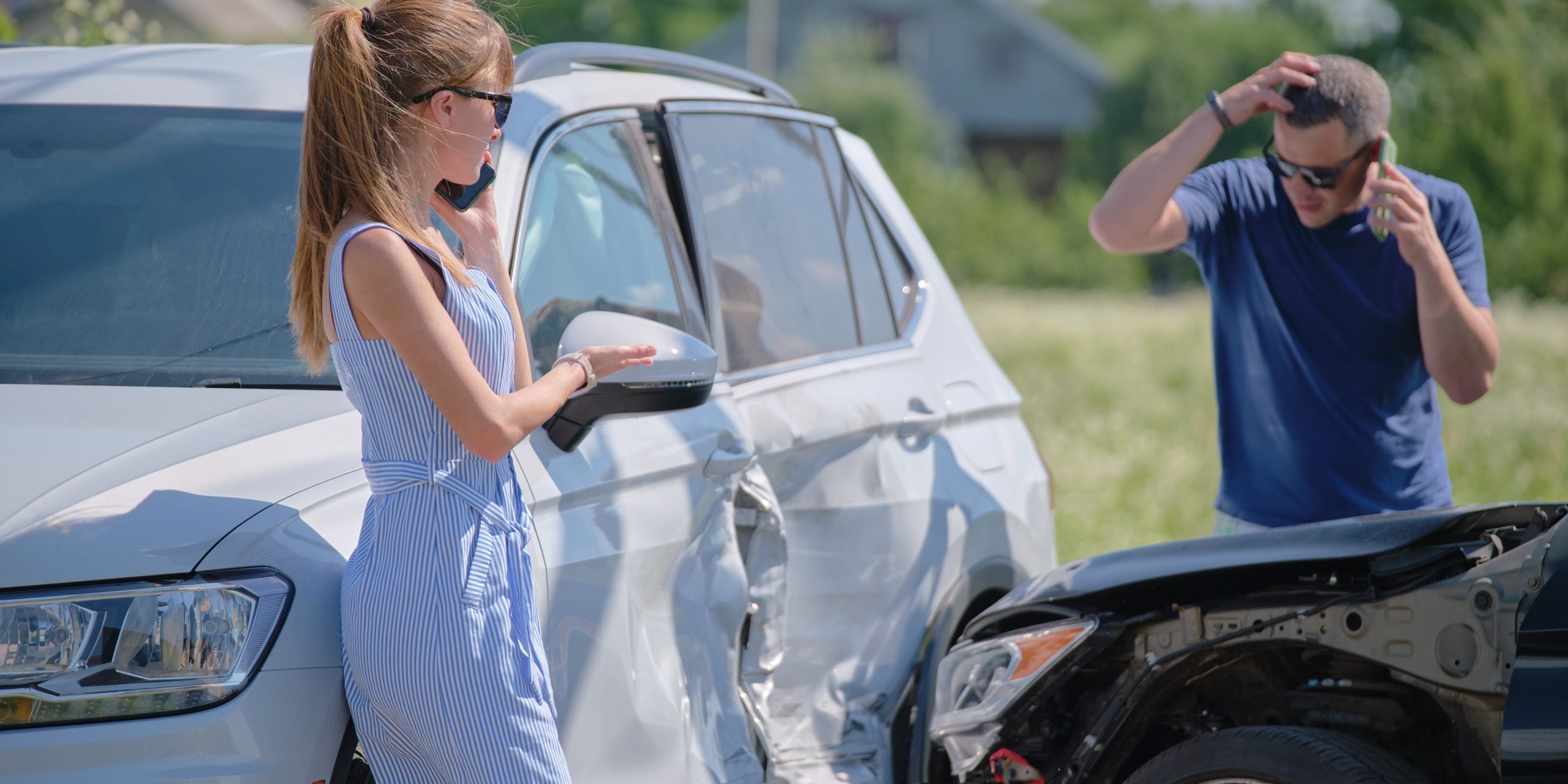
South Carolina law requires all drivers to carry auto insurance, yet uninsured and underinsured accidents happen frequently. If you were hurt in a crash with an uninsured driver or if you did not have coverage yourself, legal options are still available. Understanding how insurance claims apply in these situations, what protections South Carolina law provides, and how an attorney who can help you recover compensation can make a significant difference after an accident.
What If the At-Fault Driver Had No Insurance?
When a reckless or negligent driver causes a crash but does not have insurance, recovering damages can be difficult. South Carolina requires all motorists to carry minimum liability coverage, but many ignore this law. If an at-fault driver lacks insurance, accident victims typically use their uninsured motorist (UM) coverage.
UM coverage is mandatory in South Carolina. This coverage can help pay for medical expenses, lost wages, and other damages when the responsible driver lacks insurance. However, insurance companies often attempt to limit payouts and if you only have the minimum coverage, it may not be enough. If you face resistance or a low insurance amount, legal representation can help secure the compensation you deserve. Our experienced attorneys have strategies to get you the maximum compensation available.
What If You Were in an Accident and Did Not Have Insurance?
South Carolina law requires all drivers to carry liability insurance to cover injuries and property damage if they cause a crash. Under S.C. Code Ann. § 38-77-140, motorists must maintain at least the minimum required coverage to legally operate a vehicle. If you were in an accident and did not have insurance, your ability to recover compensation depends on who was at fault.
If another driver caused the crash, you may still be able to pursue a claim against their liability insurance. South Carolina follows a modified comparative negligence rule, which means you are generally ineligible to recover damages if you were more than 50% responsible for the accident.
An Example of Modified Comparative Negligence
Suppose you were driving through an intersection when another driver ran a red light and hit your car. Initially, it seemed that the other driver was at fault. However, during the investigation, it was revealed that you were speeding at the time of the crash.
A court or insurance adjuster determines that the other driver was 80% at fault for running the red light, but you were 20% at fault for speeding. Under South Carolina’s modified comparative negligence rule, you can still recover damages because you were not more than 50% at fault. However, your compensation would be reduced by your percentage of fault.
For example, if your total damages—including medical bills, lost wages, and property damage—amount to $100,000, your compensation would be reduced by 20%. That means you could still recover $80,000 from the at-fault driver’s insurance, assuming he has that much coverage.
The bottom line is that, even without insurance, you may have legal options. If another party contributed to the accident, an experienced Charleston car accident lawyer can help determine whether you qualify for compensation through the other driver’s coverage or other avenues. Speaking with an attorney can help you understand your rights and how to move forward.
Uninsured and Underinsured Motorist Coverage
South Carolina law requires all drivers to carry liability insurance, but not every motorist follows this rule. Some drivers operate vehicles without insurance, while others carry only the minimum coverage required by law. In either situation, accident victims may struggle to recover the full amount of their damages. This is where uninsured motorist (UM) and underinsured motorist (UIM) coverage come into play.
Uninsured motorist (UM) coverage is mandatory in South Carolina and applies when an at-fault driver has no insurance. If you are injured in a crash with an uninsured driver, your UM coverage can help pay for medical expenses, lost wages, and other damages that the at-fault driver’s policy should have covered.
Underinsured motorist (UIM) coverage is optional but highly recommended. This coverage applies when an at-fault driver’s insurance is insufficient to cover the full extent of your damages. For example, if your medical bills and lost wages exceed the at-fault driver’s policy limits, your UIM coverage can step in to cover the remaining costs, up to your policy limits.
Insurance companies do not always make it easy to recover UM or UIM benefits. Even though these claims are filed with your own insurance provider, disputes often arise over the value of your claim, the severity of your injuries, or whether coverage applies in your situation. If your insurer undervalues or denies your claim, an attorney can help negotiate a fair settlement or file a car accident lawsuit, if necessary.
Additional Auto Insurance Coverages to Consider
Beyond UM and UIM coverage, drivers in South Carolina have the option to add additional coverage to their auto policy. These coverages provide extra protection in case of an accident, helping to minimize out-of-pocket costs.
- Personal Injury Protection (PIP) – PIP coverage helps pay for medical expenses, lost wages, and essential services if you are injured in an accident, regardless of fault. This coverage is particularly useful if you do not have health insurance or need immediate financial assistance after a crash.
- Medical Payments Coverage (MedPay) – Similar to PIP, MedPay covers medical bills for you and your passengers, regardless of who caused the accident. Unlike PIP, MedPay does not cover lost wages or other expenses.
- Collision Coverage – This coverage pays for repairs or replacement of your vehicle if it is damaged in an accident, regardless of fault. Without collision coverage, you may have to pay for repairs out of pocket.
- Comprehensive Coverage – Comprehensive insurance covers damage to your vehicle caused by non-collision events, such as theft, vandalism, natural disasters, or hitting an animal.
- Rental Reimbursement Coverage – If your vehicle is in the shop for repairs after an accident, rental reimbursement coverage helps pay for a temporary replacement vehicle.
- Gap Insurance – If your car is totaled in an accident, gap insurance covers the difference between what you owe on your auto loan and what your vehicle is worth. This is especially important for drivers who have financed or leased their vehicles.
While South Carolina only requires liability insurance, adding these coverages can provide extra protection and financial security. If you are involved in an accident, having the right policy in place can make a significant difference in your ability to recover and move forward.
Single-Vehicle Accidents and Insurance Challenges
A fatal crash has once again raised concerns about car accidents in South Carolina. A driver in a 2014 Ford Focus lost control and overturned near Old Clemson Road, resulting in a tragic loss of life. While authorities have not released details about insurance coverage, this case highlights an important issue—what happens when a serious crash occurs, and the at-fault driver or the victim does not have insurance?
A crash involving only one vehicle, like the recent tragedy in Richland County, presents unique challenges. In these situations, fault must be determined before an insurance claim can proceed. Various factors could contribute to a single-vehicle accident, including:
- Hazardous road conditions. Poorly maintained roads, potholes, or debris can cause drivers to lose control. Sometimes, a government entity responsible for road maintenance may be liable.
- Mechanical failures. Defective brakes, tire blowouts, or engine problems might indicate that a manufacturer or repair shop shares responsibility. A product liability claim may be necessary to recover damages.
- Swerving to avoid another vehicle. If another driver’s reckless actions forced the crash, that driver may still be at fault. Dashcam footage or witness statements can help prove liability.
- Medical emergencies. A sudden health issue can lead to a loss of control, affecting liability assessments. In some cases, a pre-existing medical condition could impact an insurance claim.
Insurance companies often assume the driver is at fault when a single-vehicle accident occurs. However, liability may not be clear-cut. A detailed investigation may uncover external factors contributing to the crash, allowing for a potential claim. Consulting an attorney can help determine whether third-party negligence played a role, ensuring all avenues for compensation are explored.
What Are Your Legal Options After an Uninsured Accident?
Accident victims who suffer injuries due to uninsured drivers may still have legal options. Steps to consider include:
- Filing an uninsured motorist claim. If you carry UM coverage, you can file a claim with your own insurance provider. These claims can cover medical expenses, lost wages, and other damages, but insurance companies may attempt to minimize payouts.
- Investigating third-party liability. Liability may extend beyond the driver in cases involving defective car parts or road hazards. Government agencies responsible for road maintenance or manufacturers of faulty auto components could share responsibility.
- Exploring legal action. If another driver contributed to the crash but fled or was unidentified, a personal injury lawsuit could be an option. Surveillance footage, witness statements, and accident reconstruction may help establish fault.
- Seeking compensation through alternative coverage. Other policies may apply even if UM coverage is unavailable. Personal injury protection (PIP) or MedPay can help cover medical expenses regardless of fault if included in your policy.
Securing compensation after an accident involving no insurance can be difficult, but an attorney can help. Legal guidance ensures that all available options are explored and that insurance providers handle claims fairly. A lawyer can negotiate with insurers, gather evidence, and pursue litigation if necessary.
Are You Concerned About the Availability of Insurance Coverage After a South Carolina Car Accident?
If you were recently injured in a car accident and are concerned about whether your insurance policy or the other drivers will cover your accident-related expenses, reach out to the Steinberg Law Firm. At the Steinberg Law Firm, we have over 95 years of experience helping accident victims understand their recovery options and effectively pursue the compensation they need to move on after life-interrupting accidents. To learn more and to schedule a free consultation, call the Steinberg Law Firm today. You can reach us by calling 843-720-2800 or by completing our secure online contact form.
You May Also Like