What To Do If Someone Is Tailgating You in South Carolina
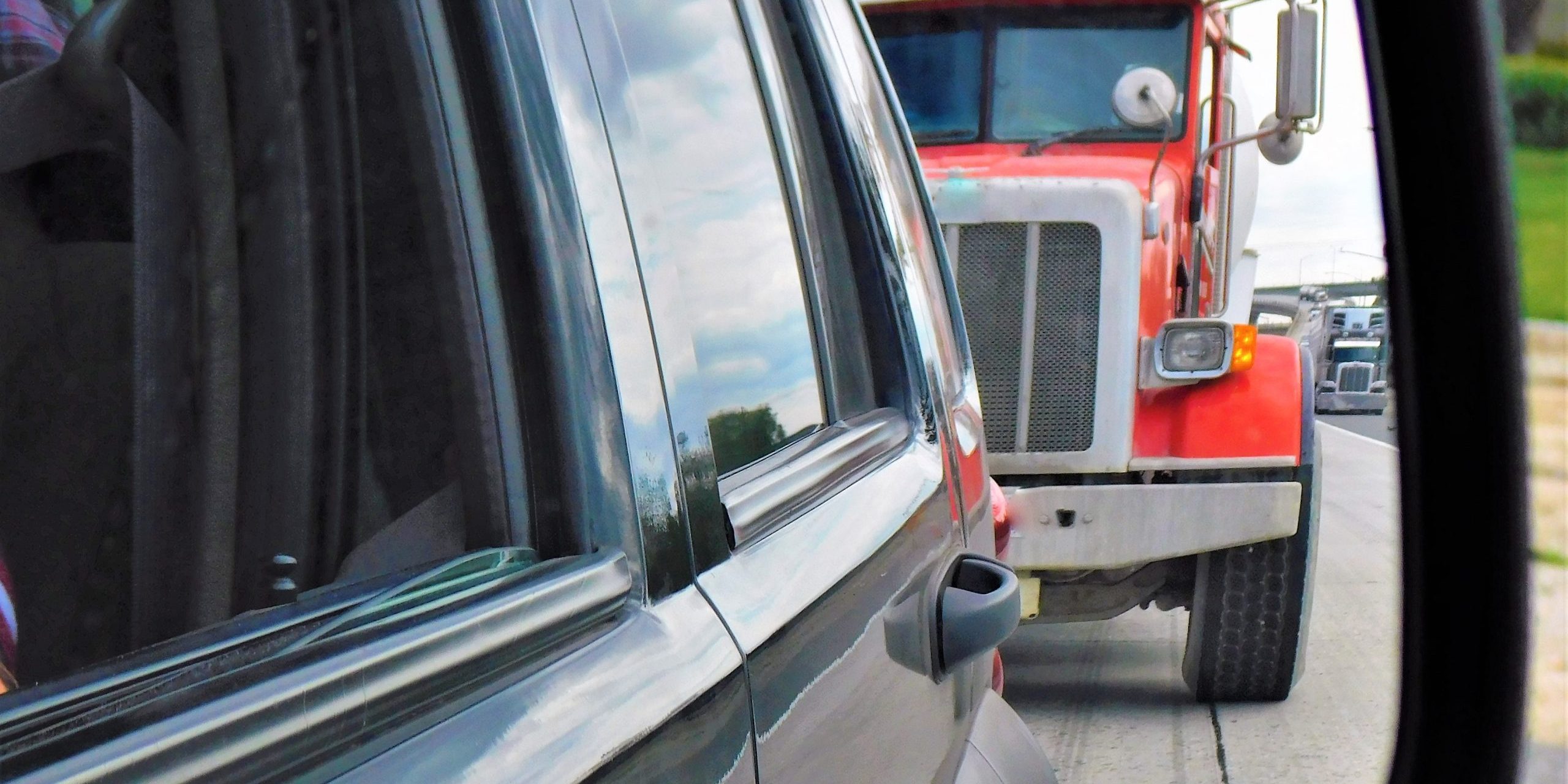
Whether you’re navigating the rush hour traffic on I-26 or winding your way down Highway 61, tailgating is something far too many South Carolina drivers have experienced. It’s frustrating, scary, and dangerous. When another motorist inches up behind your car, following too closely, it only takes a split second for things to go wrong. If you need to slow down or stop, a tailgater can easily cause a rear-end collision, leaving you with a damaged vehicle, serious injuries, and a whole lot of stress.
While it’s natural to feel irritated in these situations, reacting with sudden moves like slamming on your brakes can make things even riskier. The safest way to respond is to stay calm, maintain a steady speed, and give yourself space to let the tailgater pass when it’s safe to do so. If you find yourself hurt because someone was following too closely, remember, South Carolina law protects your rights. You don’t have to handle this alone.
What Is Tailgating and Why Is It So Dangerous in South Carolina?
Tailgating can occur anywhere, but certain roads in South Carolina are more prone to it than others. On I-26, traffic heading toward Charleston or Columbia often slows without warning, especially during rush hour. When drivers fail to leave enough space, even a short delay in reaction time can cause a rear-end crash.
- I-95 is one of the most accident-prone roads in South Carolina. Long, open stretches between exits encourage speeding, and drivers who misjudge distance often end up following too closely. When traffic shifts or slows, that small gap disappears in seconds.
- US-17, known locally as Savannah Highway, stays busy with commuters, delivery trucks, and tourists. Impatience at stoplights and crowded intersections often leads people to creep forward, leaving no room for error.
- Highway 61, also known as Ashley River Road, frequently experiences tailgating when congestion builds during morning and evening commutes.
- In West Ashley, Sam Rittenberg Boulevard often becomes a slow-moving line of cars where drivers push too close in stop-and-go traffic.
- The crossing at Ashley Phosphate Road and Rivers Avenue in North Charleston experiences near-constant pressure from vehicles entering and exiting nearby businesses.
Knowing where tailgating is most likely to occur helps you prepare before you drive. Extra distance and patience on these roads can prevent an ordinary trip from becoming a scene of an accident.
What to Do If Someone Is Tailgating You on South Carolina Roads
When a tailgater rides your bumper, the safest response is to stay calm and avoid confrontation. Do not make sudden moves or slam on the brakes. Those actions may trigger a rear-end impact and can be considered aggressive driving under South Carolina law.
If you are on I-26 or I-95, move to the right lane when it is safe and allow the other driver to pass. These highways post clear “Keep Right Except to Pass” signs to remind drivers of proper lane use.
In downtown Charleston, streets like Meeting Street or King Street often leave little room to maneuver. In that case, wait until you reach a safe spot, such as a parking lane or side street, then pull over and let the vehicle go ahead.
Avoid eye contact or gestures that could escalate tension. Your goal is to create distance and reduce risk. When space opens between you and the tailgater, maintain a steady pace and refocus on your own driving. Every calm decision helps prevent an avoidable crash.
Why Do Drivers Tailgate in South Carolina?
On South Carolina highways, tailgating often stems from impatience. Drivers stuck in slow traffic on I-526 or US-52 grow frustrated when lanes crawl. Festivals and local events can worsen the problem. During major gatherings in downtown Charleston or Summerville, congestion increases, tempers rise, and some motorists forget safety altogether. Drivers trying to get to work on time, especially during rush hour on I-26, may decide tailgating is a productive way to get there faster, but that is rarely the case.
Other drivers tailgate because they misjudge distance. They assume the car ahead will move faster or that they can stop in time. In reality, a single distracted glance or a quick lane shift can cause a chain-reaction crash.
Recognizing these patterns reminds you that other people’s behavior is beyond your control. What matters most is how you respond when someone presses too close behind you.
What Happens If a Tailgater Causes an Accident?
When a driver follows too closely and causes a crash, focus first on staying safe. Check yourself and any passengers for visible injuries. If the vehicle can still move, steer toward the shoulder or a nearby parking lot to get out of traffic. On highways like I-26 or US-17, staying in a travel lane puts you and others at serious risk, so move to a safe area and switch on your hazard lights to alert approaching drivers.
After reaching a secure location, call 911 immediately. Responding law enforcement will take statements, record details, and create an official crash report. This document helps establish what happened in case questions about fault arise later. While waiting for help, ensure you do the following if you are able.
- Seek medical attention if you are injured. Use the ambulance – this can help your case later. Also, whiplash and other injuries may not show up right away. Adrenaline can mask any immediate pain.
- Gather your own notes and photos. Record license plates, road signs, and nearby intersections. If anyone saw the crash, ask for their name and contact information before they leave.
- Use your phone to photograph both vehicles, the traffic signal, and any skid marks or debris on the pavement. These pictures capture essential evidence that can fade or disappear once the scene clears.
- Check for cameras in the vicinity that might hold valuable video evidence.
Additionally, some injuries do not exhibit symptoms immediately, which is why visiting a doctor for a prompt medical examination after a car wreck involving tailgating is crucial. Starting this medical process can help your attorney build a compelling SC personal injury claim on your behalf.
Who Is at Fault in a South Carolina Tailgating Accident?
South Carolina law prohibits following another vehicle “more closely than is reasonable and prudent” under S.C. Code Ann. § 56-5-1930. In most cases, the driver who rear-ends another car after following too closely is held responsible for the crash. South Carolina law requires every motorist to leave enough space to stop safely.
Still, liability is not always automatic. Insurance companies sometimes claim that the front driver braked suddenly or played a part in causing the collision. If that happens, having the proper legal guidance can make a difference. An attorney familiar with South Carolina traffic laws can review the police report, witness statements, and photographs to determine what really occurred.
The Steinberg Law Firm regularly assists injured drivers throughout Charleston, Summerville, and Goose Creek who have been struck by tailgaters on highways and local streets. The firm’s attorneys work to establish unsafe following distance, calculate the full cost of injuries, and pursue compensation for medical care, missed work, and long-term pain.
Frequently Asked Questions About Tailgating Accidents in South Carolina
Is tailgating illegal in South Carolina?
Yes. South Carolina bans tailgating. Under Section 56-5-1930(A), you must not follow another vehicle more closely than is reasonable and prudent for the speed, traffic, and road or weather conditions. The law does not set a fixed distance; it uses a common-sense rule based on what a careful driver would do in the moment.
What should I do if I am tailgated on a narrow country road?
Slow down slightly, stay steady, and look for a wide shoulder or a driveway where you can safely let the other driver pass. Forcing speed on a tight rural road increases danger for both vehicles.
Are there extra penalties for aggressive driving in South Carolina?
Yes. South Carolina does not have a standalone “aggressive driving” statute, but the conduct is charged through multiple offenses that can stack. According to Section 56-5-1520 and Section 56-5-1900, tailgating, speeding, weaving, and unsafe lane changes may be cited separately, e.g., following too closely, speeding or driving too fast for conditions, and improper lane use. If the behavior shows a willful or wanton disregard for safety, officers can also charge reckless driving, a misdemeanor. Convictions add points to your license and can raise fines and insurance costs; enough points can lead to a suspension.
Who is at fault in a rear-end collision caused by tailgating in South Carolina?
Police and insurance investigators examine where the vehicles ended up, what witnesses saw, and whether any nearby cameras captured the impact. In most cases, the driver who was following too closely may be considered at fault and will be held responsible. However, every car crash is different, and specific details can shift how fault is decided. Having a top-rated SC car accident lawyer review the evidence helps ensure the whole story is considered.
Speak With a South Carolina Tailgating Accident Lawyer Today
If you were injured because another driver followed too closely, the Steinberg Law Firm can help you understand your rights and pursue full recovery. The firm’s Charleston area attorneys are well-versed in South Carolina roads and the hazards that drivers encounter daily. To speak with a top-rated SC tailgating accident lawyer, call us at (843) 720-2800 or reach out online to schedule a consultation today.
You May Also Like